Adams County Veterinary Services logo Adams County Veterinary Services
Dental Services

Dental Surgery & Oral Care

Comprehensive dental care for your pets, from routine cleanings to advanced oral surgery. Dr. Dan Meakin brings over 35 years of experience in veterinary dentistry, including complex procedures like mandibulectomy and maxillectomy.
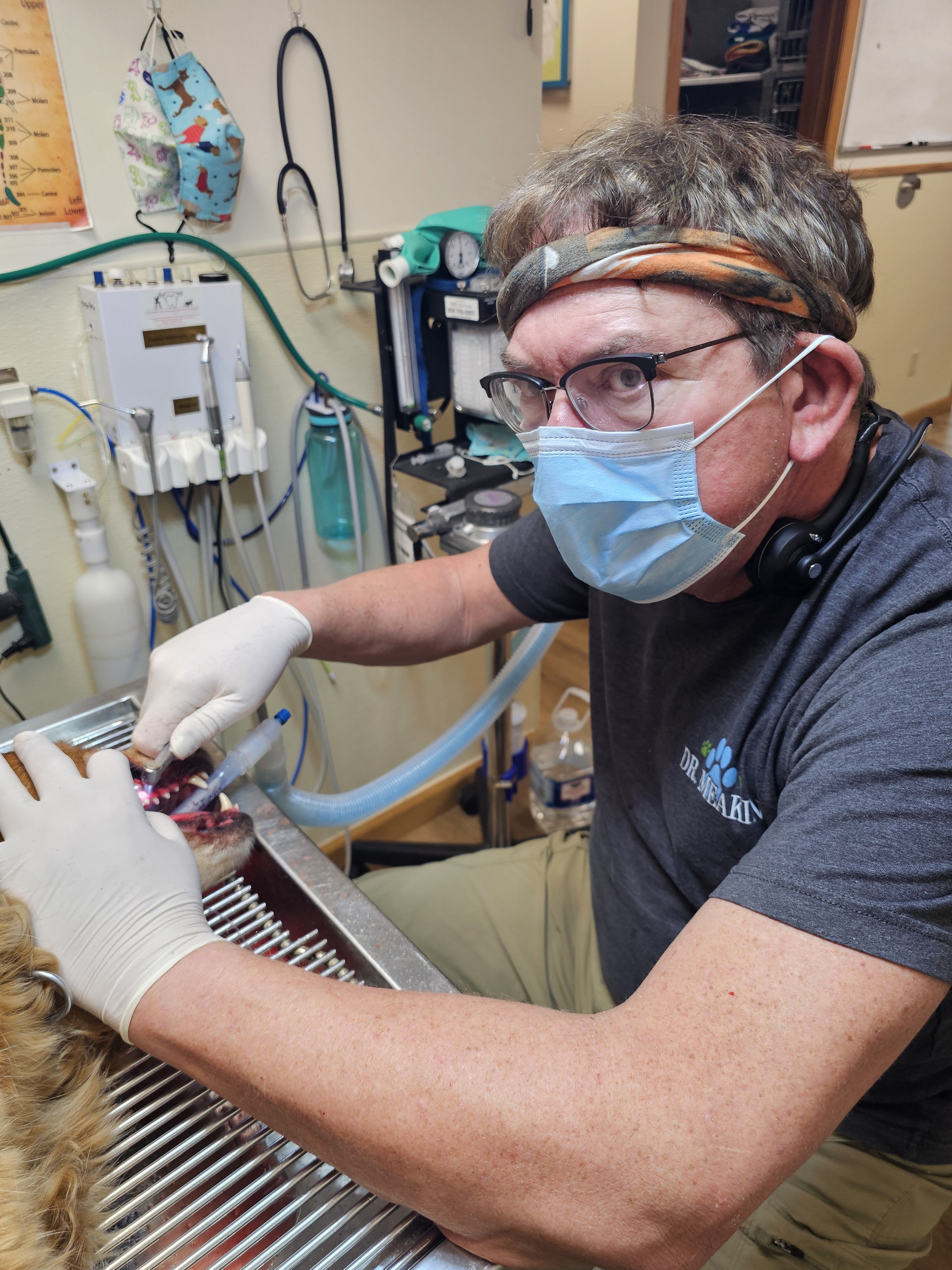
Dr. Daniel Hocks Meakin performing dental care on a dog in a veterinary clinic.
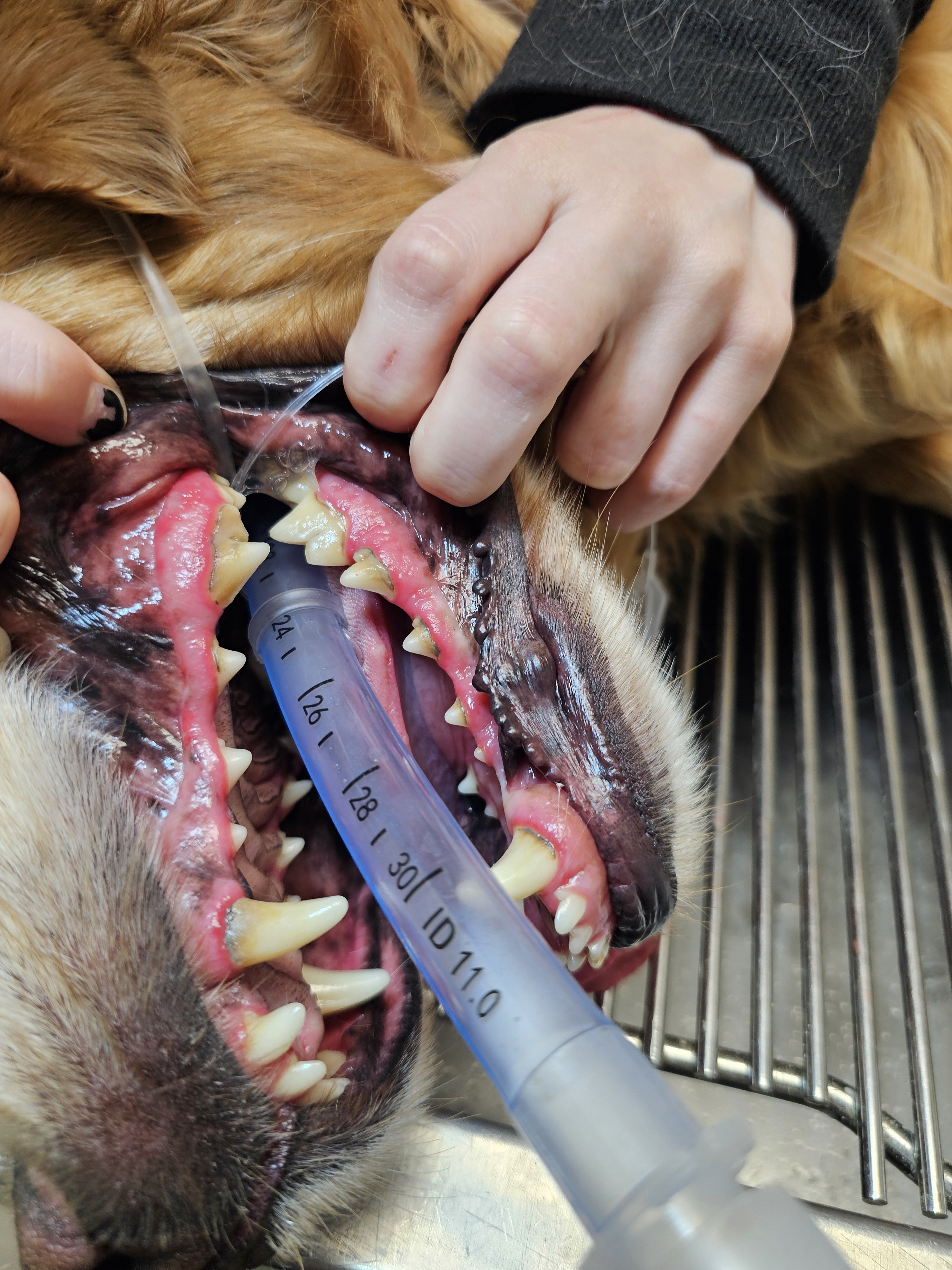
A veterinarian administers a dental cleaning to a golden retriever using a dental probe and syringe.

Complex and routine extractions are handled at a fraction of specialty veterinary dental costs.

Why Dental Care Matters

Protecting Your Pet's Oral Health

Dental disease is one of the most common health problems in pets, affecting over 80% of dogs and 70% of cats by age three. Left untreated, dental problems can lead to pain, infection, tooth loss, and even damage to vital organs like the heart, liver, and kidneys.

At Adams County Veterinary Services, we provide comprehensive dental care ranging from preventive cleanings to advanced oral surgery. Dr. Dan's extensive experience ensures your pet receives the highest quality dental treatment available.

Prevents painful infections
Protects overall health
Eliminates bad breath
Extends quality of life
Pet dental examination
Our Services

Comprehensive Dental Care

From routine cleanings to complex oral surgery, we offer a full range of dental services for your pet.

Professional Dental Cleanings

Thorough cleaning above and below the gum line to remove plaque and tartar buildup that causes dental disease.

  • Ultrasonic scaling
  • Polishing
  • Fluoride treatment
  • Oral exam

Tooth Extractions

Safe removal of damaged, diseased, or painful teeth to eliminate infection and restore comfort.

  • Simple extractions
  • Surgical extractions
  • Multi-root extractions
  • Pain management

Dental Radiography

Digital dental X-rays to visualize tooth roots and jawbone, revealing problems hidden below the gum line.

  • Root assessment
  • Bone evaluation
  • Abscess detection
  • Treatment planning

Oral Surgery

Advanced surgical procedures for complex oral conditions, tumors, and jaw abnormalities.

  • Mandibulectomy
  • Maxillectomy
  • Tumor removal
  • Jaw fracture repair

Periodontal Treatment

Treatment for gum disease to prevent tooth loss and protect your pet's overall health.

  • Deep cleaning
  • Root planing
  • Gum treatment
  • Antibiotic therapy

Facial Reconstruction

Complex reconstructive surgery for facial trauma, congenital defects, and post-tumor removal.

  • Trauma repair
  • Cleft palate repair
  • Lip reconstruction
  • Wound closure
Happy healthy pet
Warning Signs

Signs Your Pet May Need Dental Care

Pets are experts at hiding pain. Watch for these signs that may indicate dental problems:

Bad breath (halitosis)
Difficulty eating or chewing
Drooling or dropping food
Red, swollen, or bleeding gums
Yellow or brown tartar buildup
Loose or missing teeth
Pawing at the mouth
Facial swelling

If you notice any of these signs, schedule a dental exam as soon as possible. Early treatment prevents more serious problems.

The Process

What to Expect During a Dental Procedure

We make dental care as safe and stress-free as possible for your pet.

1

Pre-Anesthetic Exam

Complete physical exam and blood work to ensure your pet is healthy for anesthesia.

2

Safe Anesthesia

Modern anesthesia protocols with continuous monitoring throughout the procedure.

3

Dental Procedure

Thorough cleaning, X-rays, and any necessary extractions or treatments.

4

Recovery & Home Care

Monitored recovery and detailed instructions for at-home care and follow-up.

Frequently Asked Questions

Common questions about pet dental care.

Why does my pet need anesthesia for a dental cleaning?
Anesthesia is essential for a thorough, safe dental cleaning. It allows us to clean below the gum line where disease starts, take dental X-rays, and perform any necessary extractions without causing stress or pain to your pet. "Anesthesia-free" cleanings only address visible tartar and can actually be more stressful for pets.
How often should my pet have a dental cleaning?
Most pets benefit from annual dental cleanings, though some may need more frequent care depending on their breed, age, and dental health. Small breeds and brachycephalic breeds often need more frequent cleanings. We'll recommend a schedule based on your pet's individual needs.
Is anesthesia safe for older pets?
With proper pre-anesthetic screening and modern anesthesia protocols, dental procedures are safe for most senior pets. We perform blood work before any procedure to assess organ function and tailor our anesthesia protocol to your pet's specific needs. The risks of untreated dental disease often outweigh the risks of anesthesia.
What can I do at home to maintain my pet's dental health?
Daily tooth brushing with pet-safe toothpaste is the gold standard for home dental care. Dental chews, water additives, and prescription dental diets can also help. We'll recommend products appropriate for your pet and show you proper brushing technique.
How much does a dental cleaning cost?
The cost varies depending on the extent of dental disease and whether extractions are needed. We provide estimates before any procedure. Remember that preventive dental care is much more affordable than treating advanced dental disease, and it protects your pet's overall health.

Schedule Your Pet's Dental Exam

Don't wait until dental problems become painful. Schedule a dental exam today to protect your pet's oral health and overall well-being.

Dental procedures are performed on Wednesdays, Thursdays, and Fridays

Made by Pixlel The #1 Website Builder for Small Businesses Rebuild your website in minutes